

Soap making is an ancient craft that has evolved into a creative and therapeutic art form. Whether you’re a beginner or an experienced soap maker, choosing the right ingredients is key to creating a bar that not only cleanses but also nourishes the skin. Among all ingredients, the choice of oil holds the greatest importance. The Best Oils For Soap Making determine your soap’s hardness, lather, moisturizing properties, and even its shelf life. Understanding the unique benefits of each oil can help you craft luxurious, skin-loving bars that stand out in both quality and performance.
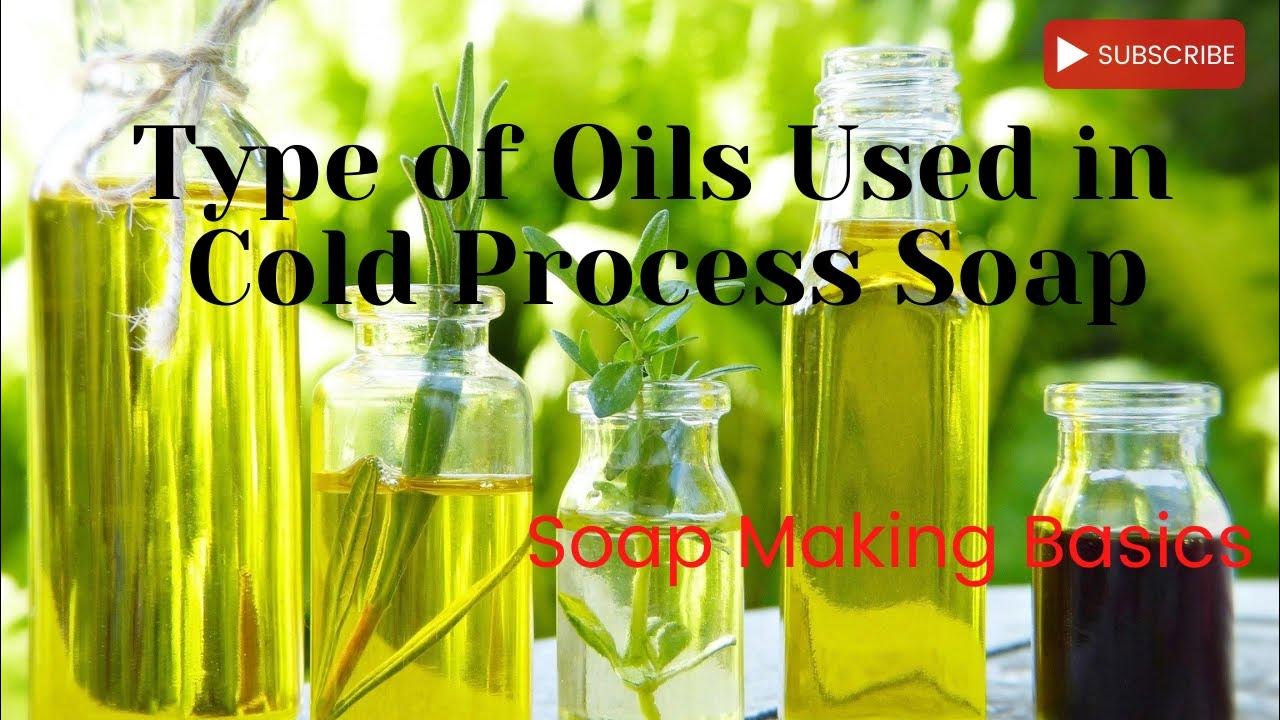
At the heart of soap making lies a blend of oils and lye that undergoes saponification, a natural chemical reaction producing soap and glycerin. Different oils contribute distinct qualities: some make the soap harder, others produce a creamy lather, and some are rich in emollients that hydrate the skin. Olive oil, for instance, is one of the oldest and most popular choices because of its gentle cleansing properties. It creates a mild, moisturizing soap ideal for sensitive skin. Coconut oil, on the other hand, provides excellent cleansing power and a bubbly lather, making it perfect for balancing softer oils in a recipe.
Palm oil is another favorite among soap makers, known for giving soap a firm texture and a rich, creamy consistency. However, due to environmental concerns, many artisans now opt for sustainable or alternative oils like cocoa butter or shea butter. These luxurious butters are packed with vitamins and fatty acids that deeply nourish the skin while adding a silky finish to your handmade soap.
For those seeking extra moisture, castor oil is a must-have. Though used in small amounts, it boosts lather and leaves a lasting softness on the skin. Similarly, avocado oil and sweet almond oil are prized for their richness and skin-conditioning properties, perfect for facial or baby soaps. Each oil brings its own character to the soap, so blending different oils allows you to balance hardness, lather, and moisturizing effects to perfection.
Another essential aspect to consider is the oil’s shelf life. Some oils, like sunflower or grapeseed, tend to go rancid more quickly, so they’re best combined with more stable oils or stored properly to extend freshness. Adding natural antioxidants like vitamin E or rosemary extract can help preserve your soap’s quality over time.
Experimentation is the key to discovering your signature soap blend. Start with small batches, take notes, and adjust your oil ratios based on the feel, scent, and performance of the final product. The beauty of making your own soap lies in this freedom to customize and innovate.
In conclusion, the art of soap making is deeply rooted in understanding the oils you use. The Best Oils for Soap Making are those that align with your desired texture, skin benefits, and sustainability values. With the right combination of oils, your handmade soap can transform from a simple cleansing bar into a luxurious, skin-nourishing experience that captures the essence of natural beauty.